Why a Whole Food Diet is Foundational for DNA & Cellular Health Across the Lifespan
For decades, many people have assumed that to manage weight — and to be healthy — the key is controlling calories in versus calories out.
If that were the full story, simply eating less would reliably lead to better health. But for many people, that hasn’t been the case.
Despite exercising regularly and being mindful of calories, people often feel depleted, inflamed, low in energy, or increasingly unwell over time. I see this pattern frequently in clinical practice — and earlier in my own life, I experienced it myself.
In my mid to late twenties, I believed I was doing all the “right” things. I exercised, watched my food intake, and prioritised control rather than nourishment. What I didn’t fully appreciate then was the impact of long-term under-nutrition and physiological stress. Instead of thriving, my health deteriorated, and I eventually developed an autoimmune condition.
That experience, combined with my scientific training, fundamentally reshaped how I view nutrition. Health is not built through restriction. It is built by supporting the body at a cellular level.
Food as Information: An Epigenetic Perspective
Our DNA is often described as a fixed blueprint, but in reality, it is highly responsive to our environment.
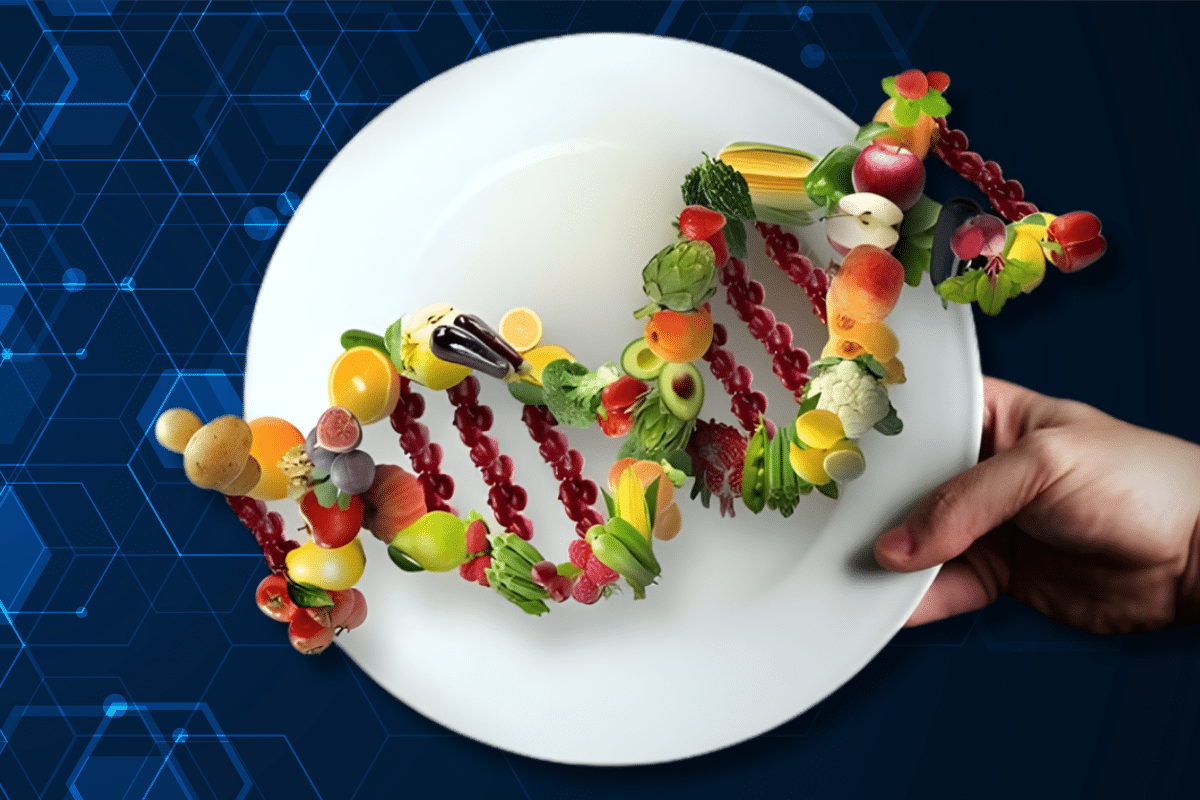
While we can’t change the genes we inherit, we can influence how those genes behave — which ones are more active and which are quieter. This is the basis of epigenetics, a field that looks at how lifestyle factors such as food, stress, sleep, and movement influence gene expression.
Every meal sends signals that influence:
- how we produce, use, and regulate energy at a cellular level (mitochondrial function and signalling)
- inflammatory and immune responses
- cellular repair and detoxification systems
Over time, these signals shape how effectively the body functions and how quickly it ages at a biological level — essentially, how old the body is on the inside, regardless of chronological age.
This is why nutrition cannot be reduced to calories alone. Food acts as biological information, shaping health both now and into the future.
Highly Processed Diets and Chronic Biological Stress
Symptoms such as persistent fatigue, digestive discomfort, inflammation, skin changes, fluid retention, or brain fog are often dismissed as “normal”, particularly during busy or stressful stages of life.
In many cases, these symptoms reflect chronic biological stress.
Diets high in ultra-processed foods — typically low in fibre and essential micronutrients, yet high in refined sugars, industrial seed oils, additives, and preservatives — can, over time:
- increase oxidative stress and inflammatory signalling
- disrupt the balance of the gut microbiome
- impair mitochondrial function and energy regulation
- increase DNA damage while reducing the body’s capacity for effective repair
- negatively influence epigenetic regulation
These changes develop gradually, but they can contribute to a range of chronic health challenges, including autoimmune conditions, cardiometabolic dysfunction, fertility difficulties, and accelerated biological ageing — where the body ages faster than expected for a given chronological age.
Importantly, these processes are not fixed. They respond to meaningful changes in the internal environment, particularly nutrition.
Whole Food Nutrition: Supporting DNA, Mitochondria, and Cellular Function
A whole food diet is not about cutting out carbohydrates or fats. It is about choosing foods in their most natural, nutrient-dense forms.
Whole foods provide vitamins and minerals in forms the body can readily recognise and absorb. These nutrients act as cofactors — helpers that allow enzymes to do their jobs efficiently. Enzymes drive thousands of reactions in the body, including:
- DNA synthesis, repair, and methylation
- antioxidant and detoxification pathways
- hormone and neurotransmitter production
- mitochondrial energy generation
In addition, whole foods supply:
- dietary fibres, which nourish beneficial gut bacteria and support immune balance
- polyphenols and phytochemicals, which reduce inflammation and influence gene expression through epigenetic mechanisms
- natural antioxidants, which help protect cells and mitochondria from oxidative damage
Through these combined effects, whole foods help create an internal environment that supports healthy gene expression, immune resilience, and metabolic stability — foundations that matter across the entire lifespan, from preconception and fertility, through metabolic and immune health, to healthy ageing and longevity.
Eating in a Way That Reduces, Not Adds, Stress
A common concern is that eating well feels overwhelming or restrictive. The intention of whole food nutrition is the opposite.
Highly processed diets place additional strain on digestion, metabolic pathways, and immune regulation. In contrast, a simple whole food approach reduces internal stress by giving the body what it needs to function efficiently.
This is not about perfection. It’s about consistency — making supportive choices most of the time, particularly during busy or demanding phases of life.
The Whole Food Challenge: Turning Science into Everyday Practice
Understanding the science behind nutrition is empowering, but lasting change comes from putting that knowledge into practice.
The Whole Food Challenge was created to translate principles of nutrition, genetics, and epigenetics into realistic, achievable steps that fit everyday life.
Rather than focusing on restriction or rigid rules, the Challenge emphasises:
- nutrient-dense whole foods
- gut and metabolic support
- reduced inflammatory load
- habits that support health across all stages of life
Small, consistent changes — repeated daily — can meaningfully influence gene expression, biological ageing, and overall wellbeing.
Food is not just calories or fuel. It is part of an ongoing dialogue with our biology — shaping how our genes function, how our cells produce and regulate energy, and how our health evolves over time.